

The key is choosing the right size, orientation, and styling so the room stays open. Done well, chaise sofas for small spaces can make a compact living area feel genuinely multi-purpose, from everyday lounging to occasional guest seating.
What makes chaise sofas for small spaces feel more flexible?
They create two seating modes in one footprint: upright seating and relaxed lounging. That dual function is why chaise sofas for small spaces often replace the need for a separate armchair or ottoman, which would otherwise crowd the floor.
They also help define zones. In open-plan flats, chaise sofas for small spaces can signal where the living area begins without needing screens or bulky storage.
How do they choose the right chaise direction in a compact room?
They should pick the chaise side based on the room’s natural walkway, not personal habit alone. If the extended section blocks the easiest route from door to window, the room will feel tighter even if the sofa technically fits.
As a quick rule, chaise sofas for small spaces work best when the chaise points into a “dead” corner or towards a window wall, leaving the main traffic line clear.
What measurements matter most before buying?
They should measure three things: the wall length, the depth into the room, and the clearance for movement. The final one is the most commonly ignored, yet it is what keeps the space practical.
For most homes, chaise sofas for small spaces feel comfortable when they leave a clear walking lane rather than forcing people to shuffle sideways past the front edge.
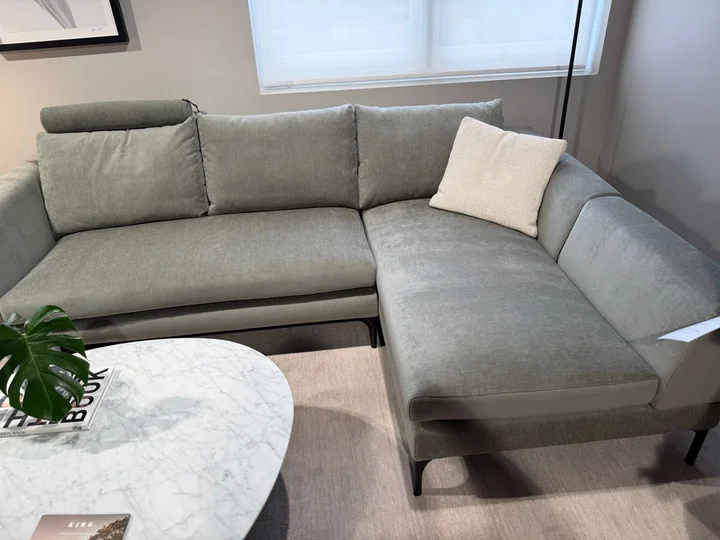
Which sofa shapes work best when every centimetre counts?
Armless or slim-arm designs keep the seat width generous without expanding the overall footprint. Raised legs can also help visually, because more visible floor makes a small room feel lighter.
Compact L-shapes can work, but only if the proportions are genuinely small. In many cases, chaise sofas for small spaces in a standard two or two-and-a-half seater size deliver the flexibility without the bulk of a full corner unit. If you’re planning a compact living room, explore these small living room layout ideas to maximise comfort and make the most of every square metre.
How can chaise sofas for small spaces replace extra furniture?
They can act as the “extra seat” and the “footrest” at the same time. That means the room often needs fewer pieces overall, which is usually the fastest path to making a tight layout feel calmer.
If storage is a concern, they may choose chaise sofas for small spaces with an under-chaise compartment, replacing the need for a separate trunk or side cabinet.
Where should they position the sofa to make the room feel bigger?
They should resist pushing it into a layout that blocks light. Positioning the chaise so it does not cut across the window line helps the room feel more open, even when the sofa is substantial.
Floating the sofa slightly off the wall can work too, but only if it improves flow. With chaise sofas for small spaces, the best position is usually the one that protects clear routes and keeps sightlines long.
What colours and fabrics help compact rooms feel less crowded?
Lighter, mid-tone neutrals tend to soften the visual weight of a large upholstered item. Texture matters more than pattern in tight rooms, because busy prints can make the space feel louder.
Hard-wearing fabrics are also practical in a small home where the sofa does more jobs. Many people choose chaise sofas for small spaces in durable weaves that hold their shape and do not show wear as quickly.
How do they style the area so the chaise feels intentional, not bulky?
They should keep the surrounding pieces visually light. A slim coffee table, nesting tables, or a small ottoman that can tuck away prevents the chaise from becoming the only “heavy” object in the room.
Lighting helps too. A floor lamp behind the back corner can balance the shape, and a rug that sits under the front legs can anchor chaise sofas for small spaces without shrinking the room.
What common mistakes make a compact room feel tighter?
The biggest mistake is buying too deep. Extra depth steals usable floor area, and it often makes the room feel like it has no breathing space.
Another issue is adding too many companions: oversized tables, bulky media units, and extra seating. Chaise sofas for small spaces work best when they are allowed to be the main lounging solution, with everything else scaled down.
How can they make chaise sofas for small spaces work for guests?
They can treat the chaise as a flexible lounging spot that doubles as an occasional sleep space for one person, depending on length. Adding a washable throw and a supportive cushion makes it feel more like a planned option than a last-minute fix.
If overnight comfort is important, they may consider chaise sofas for small spaces that pair well with a compact sofa bed elsewhere in the home, keeping the living area adaptable without turning it into a permanent guest room.
What is the simplest way to decide if it is the right choice?
They should ask whether the sofa will reduce furniture, improve comfort, and keep movement easy. If it does all three, it is likely a smart upgrade rather than a space compromise.
In most compact homes, chaise sofas for small spaces earn their place by making a single area feel more usable across the day, from sitting upright to stretching out, without adding clutter.
More about Recliner Sofas for Sale: How Custom Comfort Can Upgrade a Relaxed Outdoor-Living Home